Hoxton Overground man with van access guide
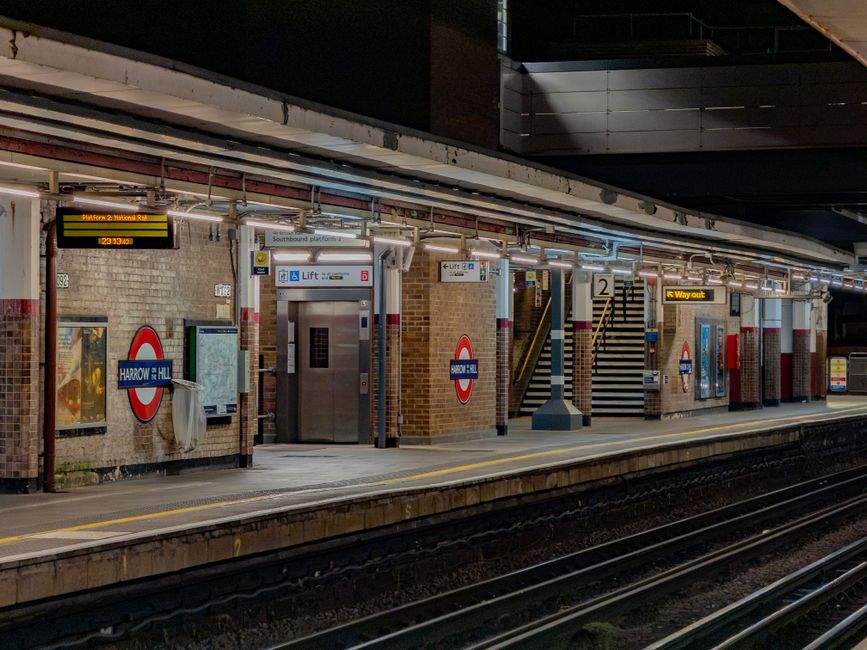
If you are planning a move near Hoxton Overground, the difference between a smooth day and a stressful one often comes down to access. Not the big dramatic stuff, just the ordinary details: where the van can stop, how far the lift is from the front door, whether there is a low bridge or a tight turn, and how much time you lose carrying boxes from A to B. This Hoxton Overground man with van access guide is here to make that part easier.
Truth be told, many moving jobs in London are not difficult because of the items themselves. They are difficult because of access. A sofa is manageable. A sofa plus three narrow stairwells, a time limit, and nowhere legal to wait? That is where people start muttering under their breath. This guide walks through what matters, how a man with van service usually handles it, and how to prepare so your move around Hoxton feels organised rather than chaotic.
Along the way, we will cover the practical bits that actually help: parking expectations, building access, timing around busy streets, what to tell the mover before booking, and the small checks that save you time on the day. If you need broader moving support too, it may help to look at man with van services, home moves, or removal services as part of your planning.
- Why access in Hoxton matters
- How a man with van move works
- Benefits and practical advantages
- Who this guide is for
- Step-by-step guidance
- Expert tips
- Common mistakes to avoid
- Tools, resources and recommendations
- Law, compliance and best practice
- Options and comparison table
- Real-world example
- Practical checklist
- Conclusion
- Frequently asked questions
Why Hoxton Overground man with van access guide Matters
Hoxton sits in a part of London where space is tight, streets are active, and the margin for poor planning is very small. A move that looks simple on paper can become awkward fast if the van cannot park close enough, if loading happens at the wrong time, or if the building entrance is not what you expected. That is why access is not a side issue. It is the move.
For a man with van job, good access usually means fewer carry distances, lower handling risk, and a faster load-in or load-out. That matters whether you are moving a studio flat, collecting furniture, or clearing a small office. If the vehicle has to double back, wait too long, or stop far away from the property, the whole job takes longer and becomes harder on everyone involved.
In Hoxton, this also affects how you choose the right type of move. A compact load with straightforward access may suit a simple man and van booking. A larger household move or mixed furniture job may be better handled through house removals or a more tailored option such as man with van removal. The point is not to overcomplicate things. It is to match the service to the access realities.
And there is another reason this guide matters: people often underestimate the little blockers. A narrow entrance, resident-only bays, a coded gate, or a shared courtyard can add up. One small missed detail is enough to throw the timetable out, especially on a weekday when traffic is already doing its best to test everyone's patience.
How Hoxton Overground man with van access guide Works
At its simplest, the process is about matching the vehicle, the crew, and the route to the property. A professional mover will ask a few access questions before the job: where the pickup and drop-off are, whether there is step-free access, how far the van can reasonably stop from the door, and whether anything large or fragile needs special handling.
In many cases, the booking then gets shaped around those answers. For example, a small flat move with roadside loading may be quick and straightforward. A second-floor walk-up with no lift and a full van load will need more time, and that should be discussed in advance rather than discovered halfway through the move. No one enjoys that little moment of "oh, right, that's a lot of stairs".
Good access planning usually follows this pattern:
- Check the exact pickup and drop-off points.
- Assess whether the van can stop legally and safely near the entrance.
- Confirm stairs, lifts, loading bays, gates, intercoms, or key access.
- Identify large items that may need extra lifting care or dismantling.
- Agree time windows that fit local traffic and building rules.
- Share any unusual restrictions before the move day.
That last step is often the one people skip. Yet it is the difference between a mover arriving prepared and a mover arriving to a surprise obstacle course.
For businesses, access planning can be even more important. A small office relocation in Hoxton may involve equipment, filing, monitors, and furniture that all need clean handling and timed movement. If that sounds familiar, pages like commercial moves and office removals are useful reference points alongside this guide.
Key Benefits and Practical Advantages
The biggest benefit of planning access well is simple: less waste. Less time wasted, less effort wasted, less chance of damage, and less awkwardness on the day. That sounds obvious, but in moving work obvious things are often the first ones people forget.
Here are the main practical advantages of getting Hoxton access right:
- Faster loading and unloading: shorter carry distances usually mean smoother handovers.
- Lower risk of damage: fewer tight turns and less rush reduce knocks and scrapes.
- Less stress: everyone knows where they are going and what happens next.
- Better cost control: accurate access details help prevent delay-related complications.
- Safer handling: careful planning reduces the chance of injury when moving heavy items.
There is also a quieter benefit that people only notice afterwards. A well-planned move feels calmer. You are not standing in the hallway wondering whether the van has parked somewhere impossible. You are not trying to make decisions while balancing a lamp, a coat stand, and a coffee you never had time to drink. The day just flows better.
If you are comparing options, it can help to look at the broader service picture too. A specialist movers page, a simple moving van, or even removals near me may give you a feel for the support level you need. For larger loads, a dedicated moving truck or removal van can be more appropriate.
Who This Is For and When It Makes Sense
This guide is for anyone who needs practical help moving goods in or out of Hoxton and does not want access problems turning a straightforward job into a headache. That includes renters, homeowners, landlords, students, small businesses, and people collecting single items from shops, storage, or other properties.
It makes especially good sense if any of these sound familiar:
- You live near an Overground station and parking is limited.
- Your building has a shared entrance, coded gate, or narrow stairwell.
- You are moving at a busy time of day and need a tight schedule.
- You have heavy furniture, fragile items, or a few awkward large boxes.
- You are not sure whether a van can stop close enough to the property.
It is also useful if you are deciding between a smaller man and van setup and a fuller removal team. In many London moves, the answer is not "bigger is always better". It is "what gives the best access-to-effort ratio?". Bit of a mouthful, but it matters.
For some readers, the right next step is a home-focused service like house movers or house removalists. For others, especially those moving a few key pieces only, furniture pick up is a better fit. There really is no one-size-fits-all answer.
Step-by-Step Guidance
If you want to reduce hassle, follow a simple planning sequence. This works well whether you are moving from a flat above a shop, a warehouse-style conversion, or a small office near the station.
- Measure the access point. Check door widths, stair turns, lift size, and any tight corners. A tape measure and a few minutes can save a lot of panic.
- Map the van stopping point. Look at where a vehicle could legally and safely pause. Think about dropped kerbs, bollards, loading restrictions, and whether the route to the door is clear.
- List the awkward items. Sofas, wardrobes, desks, mirrors, and anything fragile should be flagged early. Don't leave that sort of thing to guesswork.
- Check building rules. Some blocks require booking lifts or giving notice for move-ins. It may be simple, but it still matters.
- Share timing details. Morning traffic, school runs, and peak-hour congestion can all affect arrival windows in Hoxton.
- Confirm packing status. If items are not boxed or wrapped, say so in advance. That allows the mover to bring the right materials or schedule extra time.
- Prepare the route inside the property. Clear hallways, secure pets, and move small loose objects out of the way.
One helpful habit is to walk the route yourself as if you were carrying a washing machine. Sounds dramatic, I know, but it gives you a quick sense of where the friction points are. Where would your shoulder catch? Where would a trolley struggle? You notice things fast when you imagine the awkward bits.
If you need packing help as part of the move, consider packing and unpacking services. And if your move is part of a broader property transition, the general removals page can be a useful starting point for understanding service scope.
Expert Tips for Better Results
After enough moving days, you start to notice the same patterns. The smooth jobs are not always the ones with the shortest distances or the lightest loads. They are the ones where the customer has given clear, honest information. That is the big one.
Here are a few tips that genuinely help:
- Be specific about access, not just location. "Near Hoxton Overground" is not enough. Say whether the property is on a main road, a side street, a terrace, a modern block, or behind a gate.
- Send photos if needed. A staircase, entrance, or parking space can be easier to explain with a picture than with a paragraph.
- Factor in stairs honestly. A third-floor walk-up with no lift is a different job from a ground-floor collection, even if the mileage is the same.
- Keep fragile items separate. Mirror, glass, artwork, and electronics should not be lost in general boxes.
- Plan for a bit of buffer time. London does not always respect your timetable. Annoying, but true.
For business moves, it is often worth combining access planning with a service built for commercial pace. That may mean looking at office relocation services if the job involves desks, IT, or a timed handover. For mixed load sizes, a broader removal company option can be worth considering.
Small note from experience: the more awkward the access, the more valuable it is to have everything ready before the van arrives. Once the vehicle is there, the clock starts ticking and the street starts feeling smaller.
Common Mistakes to Avoid
A lot of access problems are preventable. Not all of them, of course. London can throw a curveball on any given day. But many are simple oversights.
- Assuming the van can stop right outside. This is the most common one. In reality, loading access might be around the corner or across the road.
- Forgetting about height and width restrictions. Some streets and entry points are trickier than they first appear.
- Not mentioning heavy items early. A piano, large wardrobe, or awkward sofa should never be a surprise.
- Leaving boxes unpacked and unlabelled. It slows everything down and increases the chance of mix-ups.
- Ignoring building booking rules. Lift bookings, move-in windows, and access codes are easy to miss.
- Booking too tightly. If you schedule the mover between two fixed commitments without breathing room, stress appears very quickly.
To be fair, most people are not being careless. They are just busy. Moving is one of those tasks that competes with work, family, and everyday life, so the details get squeezed out. That is why a proper access conversation up front matters so much.
If you are still working out the right package, compare a general man with a van service with man with a van style booking options and think about how much handling support you really need. Simpler is not always cheaper if access is poor.
Tools, Resources and Recommendations
You do not need a complicated toolkit to prepare for a move near Hoxton Overground, but a few basic items make life easier.
- Tape measure: for doorways, lifts, stair turns, and larger furniture.
- Painter's tape or labels: helpful for marking boxes and room destinations.
- Phone camera: quick photos of access points, parking spots, and awkward items.
- Foldable trolley or sack truck: handy for shorter internal runs if appropriate.
- Protective wrapping: blankets, bubble wrap, or reusable covers for furniture and fragile items.
On the service side, useful pages to review include pricing and quotes if you want to understand how moving jobs are typically estimated, and insurance and safety if you want reassurance around handling and protection. If sustainability matters to you, recycling and sustainability is also worth a look.
For people moving after a change of tenancy or a property refresh, man and van removals can be a practical middle-ground between a small collection run and a fuller removal service. And if it is just one item or a small bundle of furniture, that may be plenty.
Law, Compliance, Standards, or Best Practice
Most readers do not need a legal lecture here, and fair enough. But there are a few practical standards and duties that are worth keeping in mind when arranging access in Hoxton.
First, parking and loading should always be done lawfully and safely. In London, that usually means paying close attention to local restrictions, bay markings, signs, and any building-specific instructions. A mover should not block entrances, fire exits, or create unsafe obstacles just to save a few minutes.
Second, good manual handling practice matters. Heavy or awkward items should be lifted with care, and the route should be checked before the first item moves. This is less about bureaucracy and more about not hurting someone's back because a sofa caught on a bannister. That sort of thing happens quickly.
Third, reputable operators should be clear about terms, payment, and service expectations. If you want to review service conditions in advance, pages such as terms and conditions, payment and security, and health and safety policy are the sensible places to start.
And one more thing: if a move needs special care, never be shy about asking questions. It is better to ask twice than to guess once. That applies to access, loading, and timing. It really does.
Options, Methods, or Comparison Table
Choosing the right moving option depends on access, volume, and how hands-on you want the service to be. Here is a simple comparison.
| Option | Best for | Access fit | Typical advantage | Watch out for |
|---|---|---|---|---|
| Man with van | Small to medium loads, flexible moves | Good where parking and carry distances are manageable | Simple, efficient, adaptable | May need extra time if access is awkward |
| House removals | Full home moves and larger loads | Better for more complex access and bigger inventories | More structured support | Can be more than needed for a small job |
| Office removals | Business relocations and equipment moves | Useful when timing and building access need coordination | More organised for commercial needs | Requires clear planning and site details |
| Furniture pick up | Single items or small collections | Ideal when access is straightforward and the load is compact | Cost-conscious and quick | Not always suitable for bulky or delicate pieces |
If you are in doubt, think about what creates the most friction on the day. Is it the number of items, or is it the access? Often, access is the real bottleneck. Once you see that clearly, the right option becomes much easier to choose.
Case Study or Real-World Example
Here is a realistic example from the sort of move people often make around Hoxton.
A renter is leaving a top-floor flat near Hoxton Overground and moving to a new place a few streets away. The flat has narrow stairs, a shared entrance, and no reserved parking. The biggest items are a sofa, a bed frame, a desk, and several labelled boxes. At first glance, the move looks small. In practice, it is all about access.
The customer sends a few photos of the entrance and mentions that the van will likely need to stop on a nearby side street. The mover plans for a little extra carrying time, brings protective materials, and schedules the job outside the busiest part of the morning. The result is not magical. It is just organised. Boxes move first, the bed frame comes apart cleanly, and the sofa is handled without drama. By early afternoon, the move is complete and nobody is breathing dust in a stairwell at the end of the day.
What made the difference? Not luck. Clear access information, realistic timing, and an honest plan. That is the pattern worth copying.
Practical Checklist
Use this checklist before booking your move or collection.
- Confirm the exact pickup and drop-off address.
- Check whether the van can stop close enough to the entrance.
- Note any stairs, lifts, gates, or intercoms.
- Measure large furniture and awkward items.
- Tell the mover if anything is fragile, heavy, or unusually shaped.
- Ask about building rules or booking windows.
- Prepare boxes and label them clearly.
- Clear hallways and access paths before the crew arrives.
- Keep parking and access instructions in one message or note.
- Allow a little extra time for London traffic and loading delays.
That list looks simple, but it prevents a surprising amount of hassle. And yes, it is one of those "five minutes now saves fifty later" situations. You know how it goes.
Conclusion
A good Hoxton Overground move is rarely about brute force. It is about access, timing, and realistic planning. If the route is clear, the vehicle can stop safely, and the mover knows what to expect, the whole process becomes much smoother. That is true whether you are shifting a single sofa, moving home, or relocating a small office.
The best results come from being specific, honest, and just a little bit prepared. Measure the awkward bits, share the access details, and choose a service level that fits the job rather than guessing at the last minute. Hoxton can be busy, yes, but a well-planned move does not need to feel rushed or chaotic.
If you are comparing options, reviewing service details, or still figuring out what kind of help you need, take the time to look at the relevant pages and plan with confidence. It is one of those decisions that pays off on the day, when everything suddenly feels lighter.
Get a free quote today and see how much you can save.
Frequently Asked Questions
What does a Hoxton Overground man with van access guide actually help with?
It helps you plan the practical side of a move or collection near Hoxton Overground, especially parking, loading distance, stairs, lifts, and building access. In short, it reduces surprises.
Why is access such a big issue in Hoxton?
Because streets can be busy, parking can be limited, and many properties have tight entrances or shared access. A short move can still take longer if the van cannot stop close by.
How far in advance should I explain access details?
Ideally when you book. The earlier the mover knows about stairs, gates, loading restrictions, or awkward furniture, the easier it is to plan the job properly.
Do I need to measure doors and stairs?
For large furniture, yes. Measuring helps you avoid finding out on the day that a sofa, wardrobe, or bed frame will not fit through a turn or doorway.
Is a man with van service suitable for a flat move near Hoxton Overground?
Often yes, especially for smaller or medium-sized moves. If the access is straightforward and the load is manageable, it can be a very practical choice.
What if the van cannot park right outside my property?
That is common in London. The mover may need to stop nearby and carry items a short distance. Just make sure that detail is discussed before the job begins.
Should I choose a removal van or a moving truck instead?
It depends on your load and the access. A larger vehicle may suit a fuller move, while a smaller van can be easier where streets are tight or parking is difficult.
Can I use this guide for office moves too?
Yes. Office access can be even more important because of equipment, timing, and building rules. For that kind of move, commercial planning matters a lot.
What items should I mention as awkward or high risk?
Sofas, wardrobes, mirrors, glass tables, appliances, monitors, and anything especially heavy or fragile. If it feels awkward to carry, it is worth flagging early.
How can I make the move faster on the day?
Have everything boxed, labelled, and ready to go. Clear the route, confirm access instructions, and keep small essentials separate so the crew can work without stopping every few minutes.
Are there safety or insurance details I should check?
Yes. It is sensible to review how the service handles safety, item protection, and payment terms before booking. Those details are often just as important as the price.
What is the best next step if I am still unsure?
Write down your access details, list the items you need moved, and compare the type of service that matches your situation. If you are still unsure, a quick quote request is usually the simplest way forward.