Hoxton Market removals routes and parking advice
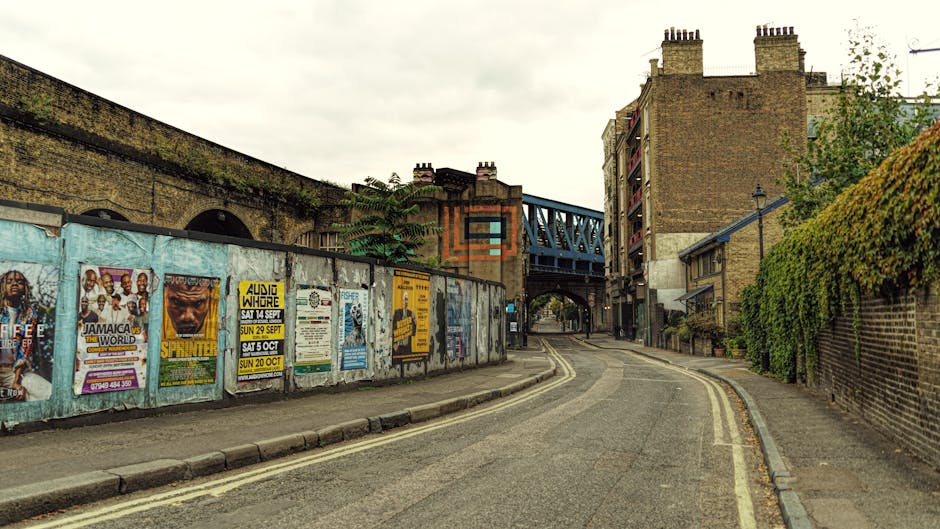
If you are planning a move around Hoxton Market, the biggest headache is rarely the boxes themselves. It is the tight streets, the stop-start traffic, the loading space that seems to vanish just when you need it, and the quiet panic of wondering where the van can actually sit without causing trouble. That is exactly why Hoxton Market removals routes and parking advice matters. Get the route wrong, and a simple move can turn into a frustrating, expensive day. Get it right, and everything feels calmer from the start.
This guide brings together practical route planning, parking reality, local access issues, and the kind of small details people often miss until the morning of the move. It is written for anyone moving a flat, house, office, or just a few bulky items around the Hoxton area. You will find a clear step-by-step approach, common mistakes to avoid, and the best ways to make the whole thing less stressful. Honestly, a little planning goes a long way here.
Why Hoxton Market removals routes and parking advice Matters
Hoxton is lively, busy, and often a bit unforgiving for vehicles that need time, space, and easy access. That is especially true near market areas, where footfall, deliveries, resident parking, and general traffic can all collide at once. A removals van does not need much drama to lose ten or twenty minutes. One missed turn, one blocked bay, one wrong assumption about access, and suddenly you are juggling boxes on a pavement with people trying to pass. Not ideal.
Good route and parking planning matters because removals are time-sensitive. The longer a vehicle sits waiting, circling, or repositioning, the more awkward the job becomes. You may face added labour time, risk of damage, or unnecessary stress for everyone involved. In practice, this means thinking beyond the postcode. You need to consider road widths, loading opportunities, nearby restrictions, market-day activity, and whether your chosen van size actually suits the street.
It also matters because Hoxton sits in a part of London where access patterns can change quickly. A road that feels straightforward at 10am may be a very different proposition by late afternoon. If you are moving near Kingsland Road, Old Street approaches, or the busier edges of Shoreditch and the wider Hackney area, a sensible access plan is not a luxury. It is the difference between a smooth lift and a messy one.
Expert summary: For Hoxton Market moves, the best results usually come from matching the vehicle to the street, planning the loading point before move day, and allowing extra time for parking or short repositioning moves. Small plan, big payoff.
How Hoxton Market removals routes and parking advice Works
The process is simpler than it first sounds. You identify the safest and most practical route for the vehicle, then work out where the van can stop legally and efficiently to load or unload. That sounds obvious, but on busy London streets the "obvious" answer is often wrong. A road may be technically accessible yet still awkward for anything larger than a small van. A parking bay may exist, but not at the time you need it. So the job is really about layering common sense with local knowledge.
In practical terms, a good route plan usually covers three things:
- Approach: how the van gets close to the property without getting trapped in tight turns or heavy traffic.
- Stopping point: where loading or unloading can happen with minimal carrying distance.
- Fallback option: what to do if the ideal bay, kerb space, or frontage is already taken.
Parking advice is just as important as route advice. Around Hoxton Market, drivers often need to think about controlled parking zones, yellow lines, loading restrictions, resident-only bays, and the practical reality of sharing road space with buses, cyclists, and pedestrians. You might have a legal window to stop, but only for a short period. Or you may need a permit, prior arrangement, or a very early arrival to secure the best spot.
One small but useful detail: many successful moves in this part of London start by checking the street at roughly the same time of day the move will happen. Morning traffic, school runs, lunch-hour deliveries, and late-afternoon congestion can all change the feel of a road. It is a simple habit, but it often saves a lot of frustration.
If you are comparing moving support, services such as man with van or fuller removal services can suit different access needs. For smaller jobs, a compact vehicle may be easier to place close to the property. For larger homes, a broader moving plan may be safer and more efficient overall.
Key Benefits and Practical Advantages
Careful planning brings more benefits than just avoiding parking tickets. It changes the rhythm of the whole move. The right route can reduce delays, protect your belongings, and keep the day from feeling chaotic. And let's face it, moving day already has enough going on.
- Less waiting time: The van can get in and out more quickly when the route and parking plan are realistic.
- Lower handling risk: Shorter carrying distances reduce the chance of knocks, scuffs, and dropped items.
- Better crew efficiency: Movers can stay focused on loading and lifting instead of hunting for a place to stop.
- Improved timing: A planned arrival window helps avoid the busiest local traffic periods.
- Fewer surprises: Restrictions, narrow turns, and access limits are dealt with before the move starts.
There is also a calmness benefit people underestimate. When the vehicle is positioned well and the route has already been thought through, the day simply feels more manageable. You are not improvising at the kerbside with a sofa halfway out the door. You are following a plan. That matters.
Another practical advantage is that route planning helps you make better decisions about van size and load sequencing. For example, if parking is tight, a slightly smaller vehicle that can stop closer to the property may be more efficient than a larger vehicle that spends twenty minutes circling nearby. Bigger is not always better. In Hoxton, sometimes nimble wins.
Who This Is For and When It Makes Sense
This advice is useful for anyone moving in or around Hoxton Market, but some groups will feel the benefit more sharply than others. If you are in a top-floor flat, a split-level townhouse, or a busy shared building, access details can make or break the timetable. If you are moving an office or a retail unit, the stakes can be even higher because service windows and customer footfall may limit what you can do.
It makes sense to pay close attention if you are:
- moving home in a street with limited stopping space;
- booking a van for an early morning or weekend slot;
- handling bulky items like wardrobes, sofas, fridges, or beds;
- dealing with a same-day or short-notice move;
- trying to avoid disruption to neighbours, tenants, or business customers;
- planning around market activity or local congestion.
For landlords, letting agents, and tenants, route and parking planning also supports cleaner handovers. If a move out is delayed because the van cannot stop properly, you may find yourself in a cascade of delays: cleaners arrive late, inventory checks are squeezed, and the final tidy-up gets rushed. That is exactly the sort of chain reaction nobody needs on an already busy day.
Even for a single-item move, it can matter. A piano, a wardrobe, or a bulky mattress can be awkward if the van cannot get close enough to the entrance. If you need specialist handling, services like furniture pick-up or a more general man and van removals option may be a practical fit.
Step-by-Step Guidance
If you want a straightforward way to approach Hoxton Market removals routes and parking advice, follow this sequence. It is not glamorous. It works.
- Map the property access. Check the road layout, entry point, steps, gates, and whether the van can reasonably stop nearby.
- Identify likely restrictions. Look for yellow lines, resident bays, loading bays, bus routes, or time-based controls that may affect stopping.
- Match the vehicle to the street. A smaller van can be easier on narrow roads, while larger vehicles may need more careful positioning and more buffer time.
- Plan the route with a fallback. Do not rely on a single parking spot. Have an alternative waiting point or a short carry route ready.
- Choose the timing carefully. Avoid the worst traffic periods where possible. Early starts often help, though not every move can be shifted around.
- Confirm building access. Make sure door codes, lift bookings, concierge arrangements, or neighbour access permissions are sorted in advance.
- Prepare the load order. Put the items you need first near the exit and keep essentials separate.
- Allow buffer time. A little slack is helpful. London traffic loves to humble tidy plans.
One useful move is to walk the route yourself if possible. You will often spot things a map misses: a tight turning circle, a dropped kerb, a narrow footway, a place where parked cars make access awkward. If you cannot do a full walk-through, even a quick street-level check can reveal enough to prevent problems.
For those comparing moving styles, it may also help to look at home moves or broader house removals support. In some cases, moving in stages with a smaller vehicle is simply the least stressful route. No drama, just sensible logistics.
Expert Tips for Better Results
After enough moves, some patterns become obvious. The best outcomes usually come from the small things people do before the van turns up, not the things they scramble to fix afterwards.
Think like a driver, not just a resident
When people assess access, they often imagine the front door. Drivers, on the other hand, need to think about turning space, stopping distance, and the angle needed to get in and out cleanly. That difference matters. A loading spot that looks "near enough" on a map can still be a nuisance in reality.
Use the quiet moments
If you have flexibility, early morning is often friendlier than later in the day. The streets can feel calmer, and there is usually less competition for parking. You can almost hear the city waking up around you, which is a nice change from horns and delivery vans. Not always possible, but worth considering.
Keep one person free to manage access
If more than one person is helping with the move, it is smart to have someone focused on the van while others handle boxes. That person can watch for traffic, keep an eye on parking time limits, and deal with any quick repositioning. It sounds minor. It is not minor.
Use short, clear labelling
Labels help the crew place items in the right order and reduce unnecessary back-and-forth from the street to the property. If the parking is a little awkward, every saved journey counts.
Ask about access constraints early
If you are using a moving company, tell them about narrow roads, height restrictions, permit issues, or market-day concerns as early as you can. Good movers can then plan better vehicle choice, crew size, and loading strategy. A two-minute conversation saves a lot of guesswork later.
In our experience, the people who feel most relaxed on move day are usually the ones who asked the slightly boring questions beforehand. Fair enough - boring is useful when there is a wardrobe to move.
Common Mistakes to Avoid
Most moving problems around Hoxton Market are not dramatic failures. They are small planning gaps that become annoying under pressure. Here are the ones worth watching for.
- Assuming parking will be available: That one is common, and it can be costly.
- Choosing the wrong vehicle size: Bigger may sound safer, but it can be harder to position.
- Ignoring loading restrictions: Some spaces look usable until you check the details.
- Leaving everything to the day itself: This usually leads to rushed decisions and extra stress.
- Forgetting building access rules: Lift bookings, entry codes, and concierge instructions are easy to overlook.
- Not planning for weather: A wet day changes handling, pacing, and loading safety.
- Blocking the pavement unnecessarily: It can create friction with neighbours and passers-by, and nobody wants that.
Another mistake is packing in a way that makes the van load inefficient. Odd-shaped stacks, loose boxes, and unlabelled heavy items can slow everything down. That is why packing support from packing and unpacking services can be worth it if you are short on time or simply do not want the hassle.
And yes, people sometimes forget the obvious: if the route to the van is longer than expected, even a well-timed move becomes tiring. The job can feel twice as long just because of a few extra metres. It adds up fast.
Tools, Resources and Recommendations
You do not need fancy kit to plan a move well. A few simple tools and sensible habits usually do the job.
- Street view or a recent on-foot check: helpful for checking real access, not just the map layout.
- Notebook or phone notes: keep a quick record of entrance codes, bay locations, and backup ideas.
- Boxes with clear labels: makes unloading faster and reduces confusion.
- Protective materials: blankets, straps, and wraps help keep items safe during short carries.
- Route timing notes: a simple record of busy periods can be surprisingly useful if you move more than once.
If you are comparing removal support and want a clearer sense of service quality, pages like removal company, removal companies, and movers can help you understand the service style you are choosing. If you only need a van and driver rather than a full team, man with van removal or removals van options may be more appropriate.
For larger local or business moves, a more structured service may be the better fit, especially where route planning and timing are tight. In some cases, office removals or commercial moves bring extra coordination that helps keep disruption down.
Law, Compliance, Standards, or Best Practice
Local parking and loading should always be handled carefully and in line with current restrictions. In practical terms, that means checking what is allowed on the street at the time of your move and not assuming a short stop is automatically acceptable. London borough rules can vary by location, and restrictions may depend on whether you are in a resident bay, a loading bay, or a controlled parking zone. If you are unsure, treat caution as your friend. It usually is.
Best practice also means taking road safety seriously. Keep walkways clear where possible, avoid unnecessary obstruction, and make sure the loading process does not create avoidable risk for pedestrians, cyclists, or neighbours. This is especially relevant around busy market streets where foot traffic is constant and visibility can be limited by parked cars or larger vehicles.
For companies and professional movers, insurance, handling procedures, and general safety standards are not just paperwork. They shape how a move is carried out. If you are comparing providers, it is sensible to review pages such as insurance and safety and health and safety policy so you know what level of care and planning is being offered.
If a permit or controlled parking arrangement is needed, sort it early. That is the cleanest way to avoid last-minute surprises. And if you are not sure how local moving permissions work, it is better to ask in advance than to improvise on the morning. Truth be told, improvising in a crowded street rarely feels clever by the second hour.
Options, Methods, or Comparison Table
Different moves call for different access strategies. The best choice depends on property type, street layout, van size, and how much you are moving. Here is a simple comparison that may help.
| Method | Best for | Pros | Limitations |
|---|---|---|---|
| Small van with close parking | Flats, smaller homes, tight streets | Easier to place near the entrance; often less stressful in narrow roads | May require multiple trips for larger loads |
| Medium-sized removals van | Average household moves | Good balance of capacity and manoeuvrability | Needs more careful parking and route planning |
| Full removal service | Larger homes, office moves, complicated access | More support, better coordination, less manual burden on you | May be more than you need for a small job |
| Split move with staged loading | When parking is tight or the property is hard to access | Flexible; can work well where stopping space is limited | Requires more organisation and timing discipline |
If you are moving under time pressure, a staged approach can be a sensible compromise. You load part of the move first, clear the worst of the access pressure, and then finish the rest without panicking over parking. Not glamorous, but effective.
Case Study or Real-World Example
Picture a straightforward but typical Hoxton move: a two-bedroom flat, a third-floor walk-up, one sofa, a bed frame, a fridge, and a stack of boxes. The occupants assume the van can simply stop outside, but the street is busy and parking is tight by mid-morning. The first instinct is to park wherever there is a gap. That would have worked badly.
Instead, the movers check the road beforehand, identify the most realistic loading position a short walk away, and set a clear arrival window early enough to avoid the worst traffic. One person goes ahead to hold the entrance while the rest prepare the bigger items. The sofa is wrapped, the mattress is ready, and the boxes are labelled by room. Nothing fancy. Just organised.
There is still a small delay because a nearby bay is occupied, of course. There nearly always is. But the backup plan works, the carry distance stays manageable, and the move finishes without a scramble. The difference is not magic. It is preparation. If you have ever stood on a pavement waiting for a van to reappear around the corner, you will know how much that matters.
For moves like this, some people choose a more flexible option such as man and van or a larger moving van depending on volume. The right answer usually comes down to access, not just item count.
Practical Checklist
Use this quick checklist before move day. It keeps the important things visible, which is half the battle.
- Confirm the move date and arrival window.
- Check street access, turning space, and likely parking restrictions.
- Decide whether you need a smaller or larger vehicle.
- Make sure building entry codes, lift bookings, and keys are ready.
- Plan a fallback loading point if the first choice is unavailable.
- Label boxes clearly and separate essentials.
- Keep fragile and heavy items easy to identify.
- Protect floors, door frames, and corners where needed.
- Allow extra time for traffic and parking delays.
- Share access instructions with everyone involved in the move.
One more thing: if you are moving waste or items you do not want to take with you, sort that before the van arrives. Trying to deal with bulky leftovers mid-move is never fun. If needed, read more about removing bulky waste after a Hoxton clearout before the day gets too busy.
Get a free quote today and see how much you can save.
Conclusion
Hoxton Market removals routes and parking advice is really about one thing: removing uncertainty from a part of the move that can otherwise become messy fast. When you know where the vehicle can stop, how it can approach the property, and what the fallback plan is, the rest of the day becomes much easier to manage. That is true whether you are moving a single flat, a family home, or a small business.
The best moves in this part of London are rarely the ones with the fanciest plan. They are the ones with the clearest one. A realistic route, a sensible vehicle choice, and a bit of local awareness can save time, reduce stress, and protect your belongings. Simple, really. Well, simple once you have thought it through.
If you are still weighing up the details, take the pressure off yourself and plan the route first, the lifting second. That small shift usually changes everything. And once it is done, you can get on with settling in, which is the bit people actually look forward to.
Frequently Asked Questions
What is the best route for removals near Hoxton Market?
The best route is usually the one that keeps the vehicle close to the property while avoiding the tightest turns, the busiest traffic, and the most restrictive parking areas. In practice, that means checking the surrounding streets, not just the main destination road.
Can a removals van park outside a property in Hoxton?
Sometimes, yes, but not always. It depends on the road layout, existing parking demand, time of day, and any local restrictions. It is much safer to assume you may need a nearby alternative rather than banking on the front door space being free.
Do I need a permit for moving day parking in Hoxton?
Possibly. The need for a permit depends on the specific street and parking controls in place. It is best to check ahead of time and confirm what applies to your exact location rather than guessing on the day.
What size van is best for Hoxton Market area moves?
For narrow streets and tighter parking, a smaller or medium van is often easier to handle. Larger vans can work too, but they need more space and more careful planning. The right choice depends on both the load and the access.
How early should I book a moving slot?
As early as you can, especially if your move depends on a tight parking window or a specific time. Early booking gives you more choice on timing and helps with planning the route and vehicle size.
What if the loading bay is already occupied?
Have a backup plan. That might mean a nearby legal stopping point, a short wait, or a different side street that still keeps carrying distances reasonable. Good movers plan for this possibility because, to be fair, it happens often enough.
Are Hoxton Market moves harder on weekdays or weekends?
It depends on local traffic patterns, deliveries, and market activity. Weekdays can be busier in commuter hours, while weekends may bring their own access pressures. The key is to look at the likely conditions for your actual move time.
Can I use a man and van service for a Hoxton flat move?
Yes, many flat moves suit a man and van setup, especially where access is tight or the load is not huge. It can be a practical choice if you need flexibility and a vehicle that is easier to position close to the property.
What should I tell the moving company before move day?
Tell them about road width, parking restrictions, access codes, floor level, lift availability, and any items that are unusually heavy or fragile. The more accurate the detail, the better the plan.
How can I reduce delays during a move near Hoxton Market?
Prepare the load in advance, keep access information clear, pick the right vehicle, and allow some extra time for parking or traffic. Small delays are common in busy London areas, but good preparation keeps them from becoming a major issue.
Is it better to use a full removal company or a man with a van?
It depends on the size and complexity of the move. A full removal company is often better for bigger, more complicated jobs, while a man with a van can be ideal for smaller or more flexible moves. The deciding factor is usually access and volume, not just budget.
What is the most common mistake people make with parking advice?
The biggest mistake is assuming parking will sort itself out on the day. In busy local streets, that assumption can cost time, money, and patience. A backup plan is always worth having.