Avoiding damage on Hoxton's narrow terraced streets
Posted on 18/06/2026
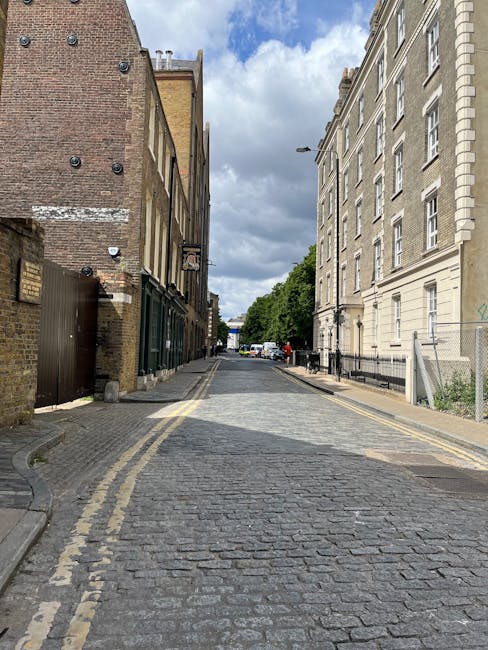
Avoiding damage on Hoxton's narrow terraced streets: a practical moving guide
Moving through Hoxton is rarely a straight line, and that is exactly why avoiding damage on Hoxton's narrow terraced streets takes more than just strength and a van. Between tight kerbs, parked cars, awkward turns, low-hanging branches, and stairwells that seem to shrink when a mattress appears, even a simple move can turn into a careful little puzzle. Truth be told, that puzzle is easier to solve when you plan for the street first and the furniture second.
This guide breaks down how to protect your property, your belongings, and the street itself while moving in a way that feels calm, controlled, and realistic. You will find practical steps, common mistakes, a comparison of methods, and a checklist you can actually use on moving day. If you are also trying to make the whole process less frantic, it helps to read this guide to a calmer house move alongside this one.
Why Avoiding damage on Hoxton's narrow terraced streets Matters
Hoxton's terraced streets can be beautiful, but they are not especially forgiving. The houses sit close together, the pavements can be narrow, and the road space often feels shared by vans, bins, deliveries, residents, and the occasional cyclist who appears from nowhere. When you are moving furniture or boxes through that environment, small mistakes can leave scuffs on brickwork, cracked tiles, chipped stair edges, dented doors, or marks on the van itself.
That is only the visible damage. There is also the awkward human side of it: a blocked entrance, a neighbour irritated by a badly parked vehicle, a piece of furniture that cannot quite clear the hallway, or a mattress that gets dragged because everybody is tired and the clock is ticking. We have all seen that moment where one person says "it'll be fine" and two minutes later, it very much isn't. In a place like Hoxton, care is not optional; it is part of moving well.
Damage prevention matters for three reasons. First, it protects the property you are leaving and the one you are moving into. Second, it reduces the risk of injury when you are squeezing heavy items through tighter spaces. Third, it helps the move finish on time instead of drifting into a stressful late-afternoon scramble. If you are dealing with heavy or awkward pieces, it is worth brushing up on the science of safe lifting and movement before the day begins.
How Avoiding damage on Hoxton's narrow terraced streets Works
The basic idea is simple: reduce contact, reduce weight per trip, and reduce guesswork. In practice, that means mapping the move around the street and property layout rather than treating the road as an afterthought.
Here is what that usually looks like:
- Assess access first - measure stair turns, front-door widths, hallway bends, and kerb space before the van arrives.
- Break the load down - move smaller, safer batches instead of trying to force oversized items through narrow gaps.
- Protect every surface - use covers, blankets, door guards, floor runners, and corner protection where needed.
- Coordinate timing - avoid peak congestion when possible so the van is not rushed into awkward stops.
- Assign roles - one person should guide, one should lift, and one should watch clearances. It sounds simple. It saves chaos.
On Hoxton's tighter streets, the best moves are usually the dull-looking ones. No dramatic heaving, no sudden pivots, no "hold on, let me just wedge this in." Just a calm sequence of planned actions. If you are not sure how to pack for that kind of controlled move, packing safely and efficiently makes a big difference before the first box even reaches the pavement.
Key Benefits and Practical Advantages
The obvious benefit is less damage. But there is a bit more to it than that.
1. Fewer repair costs. Scuffed skirting boards, chipped plaster, broken bannisters, and scratched paint are annoying and avoidable. A few protective materials cost far less than fixing the aftermath.
2. Safer handling. Narrow terraced streets often force awkward lifts and turns. Planning how to carry items means less strain on backs, shoulders, and wrists. If you are moving without a team, the advice in lifting heavy items on your own is worth reading carefully.
3. Better neighbour relations. A tidy, efficient move is much less disruptive. That matters on streets where everyone can hear the van door slam and every footstep on the stairwell. A little courtesy goes a long way.
4. Less time wasted. When items fit the route properly, the move becomes smoother. No repeated trips back and forth because a sofa will not fit through the hall.
5. Lower stress. Let's face it, moving is stressful enough without adding cracked walls and near-misses to the list.
For families, landlords, renters, students, and small businesses alike, the practical upside is the same: the move feels more under control. And that feeling, oddly enough, changes everything.
Who This Is For and When It Makes Sense
This approach makes sense for almost anyone moving in or out of Hoxton, but it is especially useful in a few situations.
- Flat movers dealing with shared hallways, narrow stairs, and limited landing space.
- House movers on terraced streets where parking is tight and front access is awkward.
- Students moving quickly with boxes, suitcases, and bulky basics that need careful handling. If that sounds like you, have a look at student removals in Hoxton for the sort of support that suits smaller moves.
- Families with furniture that cannot be risked against banisters or door frames.
- Small offices shifting files, monitors, and desks out of older buildings.
- Anyone on a tight deadline who still wants to avoid damage rather than rushing and hoping for the best.
It also makes sense if you are moving something unusual, like a piano, a heavy wardrobe, or a bed frame that needs to come apart before it will go anywhere. Those items can be moved, of course, but not casually. For valuable or delicate items, specialist piano removals in Hoxton and proper furniture handling are far safer than improvising.
Step-by-Step Guidance
1. Walk the route before moving day
Start with the actual path from room to van. Check front steps, hallway corners, stair bends, pavement width, and any pinch points outside the property. If you have time, do the walk with the biggest item in mind. A sofa may look manageable in the lounge and impossible in the stairwell. That is normal, by the way. It happens all the time.
2. Measure the awkward bits
Measure the widest item, then compare it with the narrowest gap. Do not just eyeball it. Door frames, banisters, and stair turns can steal vital centimetres. If the item is too tight, plan a disassembly or a different carry angle before moving day arrives.
3. Clear the space properly
Remove rugs, plant pots, bins, loose cables, and anything that could snag a foot or wheel. Inside the property, create a clean channel from room to exit. Outside, make sure the pavement area is not cluttered with parcel boxes, bikes, or temporary obstacles.
4. Protect surfaces before anything moves
Lay floor protection, pad sharp corners, and cover bannisters or door edges where repeated contact is likely. A small blanket fold at the right point can save a lot of grief. If you are packing fragile household items too, the article on safe packing techniques for moving day is a useful companion piece.
5. Load the van with the street in mind
Do not just think about the van being full; think about the order of unloading. Items needed first should be accessible. Heaviest items go in securely so they do not shift during the drive. Tie-downs, blankets, and a sensible stacking order matter more than people expect.
6. Use a clear lifting and spotting system
One person leads, one lifts, one watches clearance. If a stair turn is tight, slow down and call the next move before you take it. This is where many people go wrong - they carry faster, not smarter. That usually ends badly, and sometimes loudly.
7. Keep an eye on the street while loading
Parking, delivery traffic, neighbours, and passing pedestrians all affect how safely you can work. If the van is blocking too much space, adjust quickly rather than pretending it is fine. It usually isn't fine.
8. Do a final damage check
Before leaving, inspect floors, walls, stair rails, and door edges. Check both properties. A five-minute check at the end often saves a day of regret later.
Expert Tips for Better Results
A few small habits make a big difference on terraced streets.
- Use the smallest practical van size. Bigger is not always better if the street barely allows passing room. A vehicle that can position cleanly may be safer than one that turns the whole road into a juggling act.
- Pre-label your boxes by room and fragility. It helps loaders place them correctly the first time. Less shuffling means less damage.
- Remove doors only when needed. That can create more room, but only if done carefully and with the right tools.
- Wrap corners separately. Most damage happens on edges, not flat surfaces.
- Keep one "tool bag" close by. Tape, gloves, a screwdriver set, pads, and ties should not be buried under a mountain of cushions.
- Plan around weather. Rain on a narrow terrace can make surfaces slick, and damp cardboard becomes limp in no time. A bit miserable, really.
Some specialists also use route-specific planning, especially for streets around Old Street and the busier approaches into Hoxton. If your move depends on a sensible driving sequence, route planning for van drivers is a good reminder that the road itself is part of the job.
Expert summary: The safest Hoxton moves are planned from the inside out - measure the route, protect the surfaces, and move only what actually fits the space. That order matters more than brute force ever will.

Common Mistakes to Avoid
The biggest mistakes are usually not dramatic. They are the boring little assumptions that catch people out.
- Assuming the sofa will "probably fit". Probably is not a plan.
- Dragging items instead of carrying them. A few inches of dragging can leave ugly marks on floorboards and stone steps.
- Skipping hallway protection. This is one of the quickest ways to scratch paint and dent corners.
- Leaving packing until the last minute. Rushed packing leads to weak boxes and awkwardly shaped loads.
- Trying to lift alone when the item clearly needs two people. There is no medal for avoidable strain.
- Parking too casually. A badly positioned van creates pressure, delays, and more chance of impact damage.
- Ignoring the final exit route. People focus on the living room and forget the front step. That tiny step can still cause trouble.
If you are decluttering before a move, do not leave bulky items and old furniture until the final hour. That tends to create a bottleneck, which is exactly what you do not want on a narrow street. A good starting point is decluttering before moving, then deciding what truly needs to travel with you.
Tools, Resources and Recommendations
You do not need specialist kit for every move, but the right basics help a lot.
| Tool or Resource | Best Use | Why It Helps |
|---|---|---|
| Furniture blankets | Large items and door protection | Reduces scuffs and impact marks |
| Corner guards | Walls, frames, and stair edges | Prevents chips in tight spaces |
| Floor runners | Hallways and entrances | Protects surfaces from dirt and pressure |
| Ratchet straps or strong ties | Van loading | Keeps items stable during transport |
| Gloves with grip | Heavy lifting | Improves control and reduces slips |
| Basic toolkit | Disassembly and adjustments | Helps remove legs, shelves, or handles when needed |
For larger or more awkward moves, consider whether you need extra storage or a staged move rather than trying to do everything in one frantic go. Sometimes the simplest way to avoid damage is to reduce pressure. A short delay beats a broken table leg. If storage buys you time, storage in Hoxton can be part of a steadier plan.
And for anyone who is building a move around boxes, protective wrap, and packing materials, packing and boxes in Hoxton can support the practical side of the job without overcomplicating it.
Law, Compliance, Standards, and Best Practice
On a move in Hoxton, you usually need to think less about formal regulation and more about standard good practice, but there are still important responsibilities to keep in mind. If you are loading on a public road or pavement, be careful not to obstruct residents, pedestrians, or emergency access. If parking restrictions apply, do not assume they are flexible just because the move is stressful. Stress does not create an exception, sadly.
From a safety point of view, the accepted best practice is to:
- avoid unsafe lifting and overloading
- use enough people for the item
- keep walkways clear
- secure loads properly in the vehicle
- protect shared property and common areas
- communicate clearly with neighbours or building managers where appropriate
For business moves, the same logic applies with a little more paperwork and planning. You also want to consider duty of care for staff, equipment, and access routes. If you are comparing providers, it helps to know whether the company has a clear health and safety policy and appropriate insurance and safety arrangements. Those are not fancy extras; they are sensible basics.
Payment and booking security matter too, especially if you are arranging a last-minute move or paying deposits in advance. A trustworthy operator should be clear about terms, pricing, and what is included. No waffle. Just clarity.
Options, Methods, or Comparison Table
There is more than one way to move safely on Hoxton's tighter streets. The best method depends on what you are moving, how much time you have, and how awkward the access is.
| Method | Best For | Pros | Trade-offs |
|---|---|---|---|
| DIY with friends | Small, light moves | Cheaper upfront, flexible timing | Higher risk of damage if lifting skills or packing are poor |
| Man and van | Medium household moves | Good balance of cost and support | Still needs careful coordination on narrow streets |
| Full removal service | Large or complex moves | More control, better handling of heavy items | Usually more expensive than a basic van hire |
| Staged move with storage | When access is tight or dates are split | Reduces pressure and clutter on moving day | Requires extra planning |
For many people in Hoxton, the sweet spot is a managed move with enough help to handle the awkward stuff, but not so much complexity that it becomes overblown. If you are weighing up services, it can help to browse the broader services overview and choose the level of help that matches your property and your tolerance for stress. Both matter more than people admit.
Case Study or Real-World Example
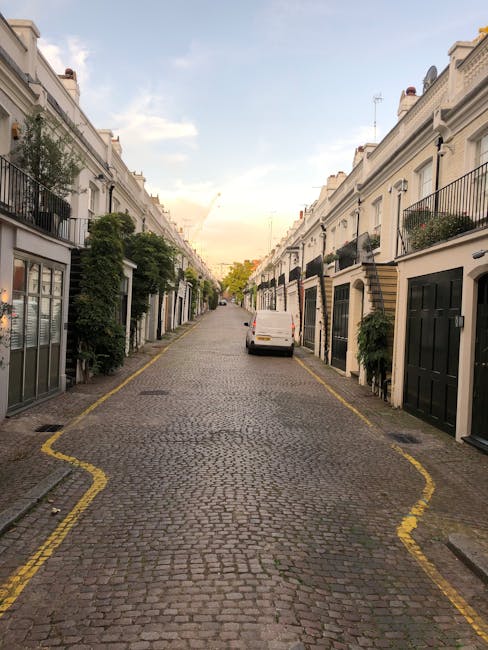
A fairly typical Hoxton move involves a top-floor flat, a narrow staircase, and a sofa that looked fine in the living room but suspiciously large once it reached the landing. The team in that situation did not force it. They paused, measured the turning point, wrapped the arms properly, and removed a door to widen the gap by just enough. Nothing glamorous. Just sensible.
They also protected the hallway floor before moving the sofa, kept one person spotting the corner, and loaded smaller boxes first so the exit path stayed clear. The whole thing took a little longer than the "rush and hope" approach would have taken - though, to be fair, the rush-and-hope approach usually looks faster right up until damage appears.
The result was simple: no scuffed walls, no scratched banister, and no bruised sofa arm. The move still felt busy, because moves always do, but it did not spiral. That is the real win. Not perfection. Just fewer surprises.
A similar approach helps with bigger items too. Beds, wardrobes, and desks all benefit from being broken down before they reach the hallway. For beds in particular, the advice in bed and mattress transportation tips is especially useful, because mattresses have a stubborn habit of catching on everything.
Practical Checklist
Use this checklist the day before and again on the morning of the move.
- Measure the widest items and the narrowest doorways.
- Clear the hallway, stairs, and front entrance.
- Protect floors, corners, and bannisters.
- Pack fragile items separately and label them clearly.
- Decide which items need disassembly.
- Check parking access and loading space.
- Prepare blankets, tape, straps, gloves, and tools.
- Assign who is lifting, who is spotting, and who is guiding.
- Keep walkways free of loose bags, cables, and rubbish.
- Do a final sweep for marks, dents, or missed items.
Quick takeaway: If an item feels too awkward before you start, it will probably feel worse halfway through the staircase. Deal with the awkwardness early.
Conclusion
Avoiding damage on Hoxton's narrow terraced streets is really about respect: respect for the property, for the street, for the people helping you, and for your own time and energy. Once you stop treating the move like a race, the whole thing becomes much easier to manage. Measure first, protect surfaces, use the right tools, and choose a method that suits the space rather than fighting it.
Hoxton rewards careful movers. The streets may be tight, but a well-planned move can still feel smooth, even quiet in parts. And that is a lovely feeling when the van door finally closes and everything has arrived in one piece. Properly done, a move does not have to leave a mark.
Get a free quote today and see how much you can save.